Are You Getting Enough Sleep? The Hidden Crisis Affecting Your Health and How to Fix It.

Saman stared at the glowing numbers on her bedside clock: 2:17 AM. Again. This was the fourth night this week she’d found herself wide awake, mind racing with tomorrow’s deadlines while her body screamed for rest. By morning, she’d drag herself through another day fueled by multiple cups of coffee, snapping at colleagues and struggling to focus during important meetings. The dark circles under her eyes had become as familiar as her morning ritual of splashing cold water on her face, hoping to shock some life back into her exhausted system. What Saman didn’t realize was that she wasn’t alone — millions of people are caught in this same devastating cycle of sleep deprivation, unknowingly compromising their health, relationships, and performance every single day.
Sleep isn’t a luxury; it’s a biological necessity as fundamental as breathing. Yet in our hyperconnected, always-on world, quality sleep has become increasingly elusive. This comprehensive guide will help you understand exactly how much sleep you truly need, recognize the warning signs that you’re not getting enough, and provide evidence-based strategies to transform your nights — and your days. Whether you’re struggling with occasional sleepless nights or chronic insomnia, the solutions you need are within reach.
What Does “Enough Sleep” Actually Mean?
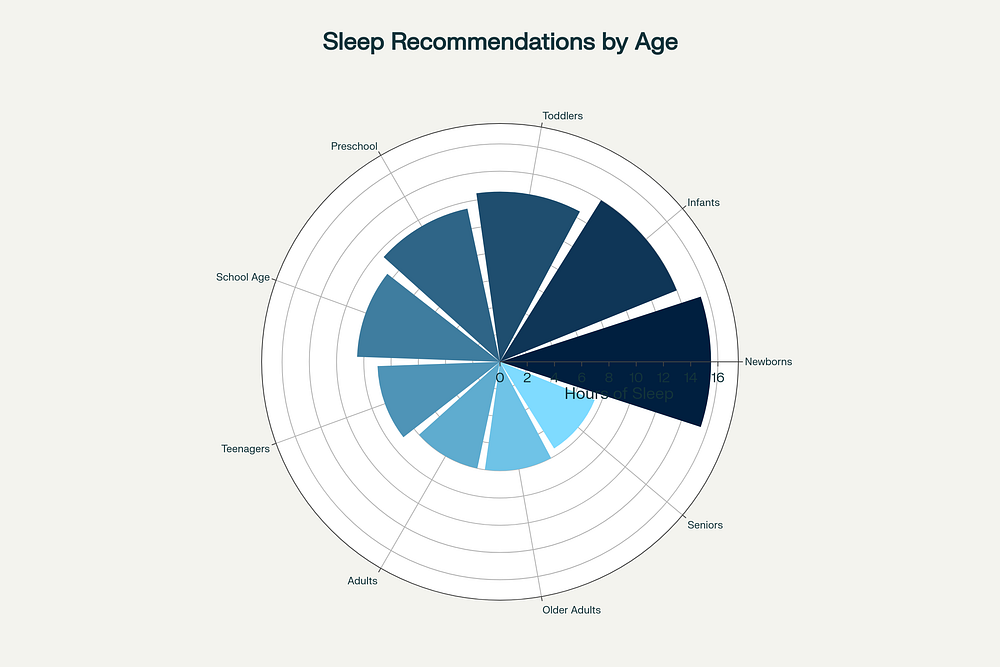
The amount of sleep you need varies significantly based on your age, with specific recommendations established by leading health organizations. According to the Centers for Disease Control and Prevention (CDC) and the American Academy of Sleep Medicine, here are the evidence-based sleep duration guidelines:
Sleep Duration Recommendations by Age:
- Newborns (0–3 months): 14–17 hours per day
- Infants (4–12 months): 12–16 hours (including naps)
- Toddlers (1–2 years): 11–14 hours (including naps)
- Preschoolers (3–5 years): 10–13 hours (including naps)
- School-age children (6–12 years): 9–12 hours
- Teenagers (13–18 years): 8–10 hours
- Adults (18–60 years): 7 hours or more
- Older adults (61–64 years): 7–9 hours
- Adults 65+ years: 7–8 hours
For healthy adults, seven to nine hours per night represents the optimal range. Getting less than seven hours consistently has been linked to weakened immune function, reduced job performance, and heightened accident risk. However, individual needs can vary based on factors like sleep quality, previous sleep deprivation, pregnancy, and overall health status.
Warning Signs: Are You Sleep Deprived?
Sleep deprivation manifests through multiple symptoms that affect your physical, cognitive, and emotional well-being. Recognizing these signs is crucial for addressing sleep issues before they become chronic health problems.
Physical Signs:
- Persistent fatigue and daytime sleepiness
- Frequent headaches and muscle tension
- Weakened immune system (getting sick more often)
- Skin problems including acne, puffiness, and dark circles
- Increased appetite and cravings for unhealthy foods
- Weight gain due to hormonal disruptions affecting hunger regulation
Cognitive and Emotional Symptoms:
- Difficulty concentrating, focusing, or remembering information
- Slowed reaction times and impaired decision-making
- Increased irritability, mood swings, and emotional instability
- Heightened stress levels and anxiety
- Depression or worsening of existing mental health conditions
- “Microsleep” episodes — falling asleep for seconds without realizing it
Behavioral Indicators:
- Relying heavily on caffeine to function
- Making more errors at work or school
- Having difficulty staying awake during meetings, classes, or while driving
- Social withdrawal or relationship conflicts due to mood changes
Real Success Stories: Transforming Sleep Through Targeted Interventions
Case Study 1: The Shift Worker’s Solution
Initial Problem: Marcus, a 34-year-old emergency room nurse working rotating night shifts, struggled with severe insomnia on his days off. Despite being exhausted after 12-hour shifts, he couldn’t fall asleep until 4–5 AM even when he didn’t have to work, leading to chronic sleep deprivation and affecting his family life.
Intervention: Marcus implemented a comprehensive light therapy and sleep schedule strategy. He began using bright light exposure (10,000 lux light box) for 30 minutes immediately upon waking, regardless of his shift schedule. He also invested in blackout curtains and blue-light blocking glasses for evening use. Most importantly, he maintained a consistent sleep routine even on days off, going to bed and waking up within a 2-hour window of his work schedule.
Timeline and Outcomes: Within three weeks, Marcus reported falling asleep 45 minutes faster on average. After six weeks, his sleep efficiency improved from 65% to 83%, and he gained approximately 90 minutes of additional sleep per night. His mood stabilized, and he reported significantly better focus during work shifts. His wife noted that he was more patient with their children and more engaged in family activities.
Case Study 2: The Executive’s Digital Detox
Initial Problem: Jennifer, a 42-year-old marketing executive, experienced chronic middle-of-the-night awakenings after initially falling asleep easily. She typically woke up between 2–3 AM with racing thoughts about work projects and couldn’t return to sleep for 2–3 hours. Her bedside table was cluttered with devices, and she habitually checked emails and social media when she couldn’t sleep.
Intervention: Jennifer underwent a structured cognitive-behavioral therapy for insomnia (CBT-I) program focusing on stimulus control and sleep hygiene optimization. She removed all screens from her bedroom, implemented a “digital sunset” two hours before bedtime, and developed a consistent wind-down routine including journaling and progressive muscle relaxation. She also learned to leave the bedroom if unable to fall back asleep within 20 minutes, engaging in quiet, non-stimulating activities until drowsy.
Timeline and Outcomes: After four weeks of consistent application, Jennifer’s middle-of-the-night awakenings decreased from 5–6 times per week to 1–2 times. Her total sleep time increased from an average of 5.5 hours to 7.2 hours nightly. She reported dramatically improved concentration during work meetings and credited better sleep with helping her secure a significant client contract she had been struggling to close. Her anxiety levels noticeably decreased, and she felt more emotionally resilient during stressful periods.
Common Causes and Risk Factors
Understanding what disrupts sleep can help you identify and address the root causes of your sleep problems:
Lifestyle Factors:
- Irregular sleep schedules and frequent changes in bedtime/wake time
- Evening screen exposure to blue light from phones, tablets, and computers
- Caffeine consumption, particularly within 6–8 hours of bedtime
- Alcohol use, which degrades sleep quality despite initial sedating effects
- Late or heavy meals that interfere with the body’s natural wind-down process
- Lack of physical activity or exercising too close to bedtime
Environmental Disruptions:
- Temperature extremes — rooms too hot (above 77°F) or too cold (below 60°F)
- Noise pollution from traffic, neighbors, or household sounds
- Light exposure from street lights, electronic devices, or inadequate window coverings
- Uncomfortable sleep surface or inadequate bedding
Medical and Psychological Conditions:
- Chronic stress and anxiety that activate the nervous system
- Depression, which often co-occurs with sleep disturbances
- Sleep disorders such as sleep apnea, restless leg syndrome, or periodic limb movement disorder
- Hormonal changes during pregnancy, menopause, or thyroid dysfunction
- Medications that interfere with sleep architecture
- Shift work that disrupts natural circadian rhythms
The Serious Health Impact of Chronic Sleep Loss
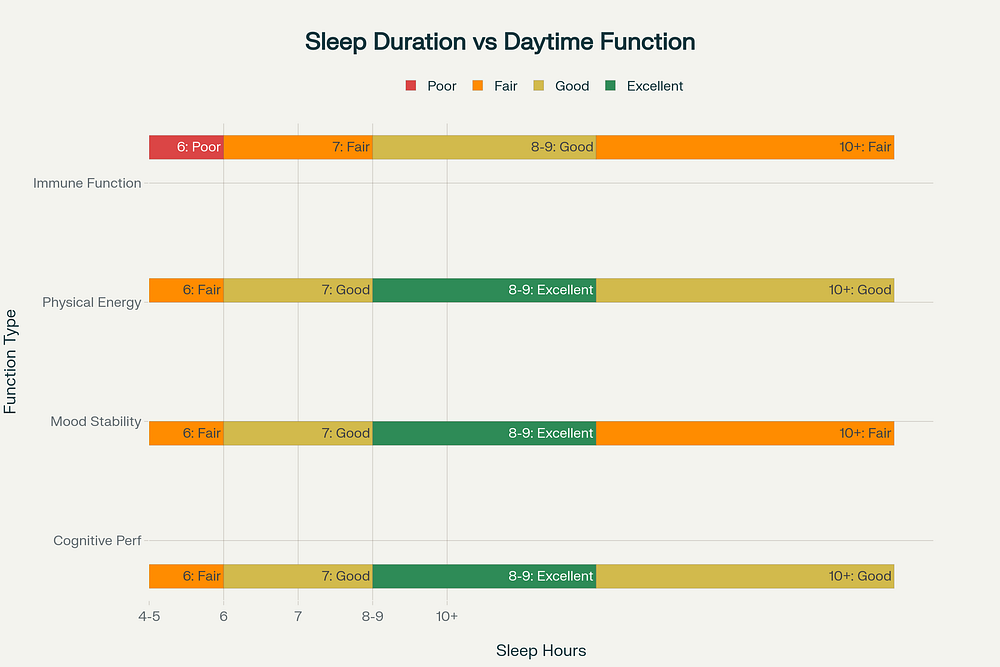
The consequences of insufficient sleep extend far beyond feeling tired the next day. Chronic sleep deprivation has been linked to numerous serious health conditions through well-established research:
Cardiovascular Health:
- Increased risk of hypertension, heart attack, and stroke
- Elevated blood pressure and increased sympathetic nervous system activity
- Greater likelihood of developing cardiovascular disease over time
Metabolic Consequences:
- Type 2 diabetes risk increases by 2.5 times with 5 hours or less of sleep
- Impaired glucose tolerance and insulin resistance
- Obesity risk due to disrupted hunger hormones (leptin and ghrelin)
- Slower metabolism and increased fat storage
Immune System Suppression:
- Reduced production of infection-fighting antibodies and cytokines
- Longer recovery times from illness
- Increased susceptibility to colds, flu, and other infections
- Weakened vaccine response
Mental Health Impact:
- Depression risk significantly increases with chronic sleep loss
- Heightened anxiety and stress reactivity
- Impaired emotional regulation and increased irritability
- Cognitive decline affecting memory, attention, and decision-making
Evidence-Based Strategies for Better Sleep
Transform your sleep quality with these scientifically-proven approaches, organized as a practical implementation guide:
Sleep Schedule and Timing
Strategy: Maintain consistent bedtime and wake time within 30 minutes, even on weekends.
Implementation: Choose a realistic schedule based on your natural tendencies and stick to it for 2–3 weeks.
Expected Timeline: Most people see improvements in sleep onset within 7–10 days.
Pitfall to Avoid: Don’t dramatically shift your schedule overnight — adjust gradually by 15–30 minutes per day.
Light Exposure Optimization

Strategy: Get bright light exposure (preferably natural sunlight) within 1 hour of waking and limit bright light 2 hours before bedtime.
Implementation: Spend 10–30 minutes outside in the morning or use a 10,000 lux light therapy box. Install dim, warm lighting for evening activities.
Expected Timeline: Circadian rhythm adjustments typically occur within 1–2 weeks of consistent practice.
Pitfall to Avoid: Inconsistent light exposure undermines progress — weekend behavior matters as much as weekdays.
Digital and Screen Management
Strategy: Implement a “digital sunset” 1–2 hours before bedtime and remove screens from the bedroom.
Implementation: Use blue light blocking glasses, enable device night modes, and charge phones outside the bedroom.
Expected Timeline: Sleep onset improvements often occur within one week of consistent screen limitation.
Pitfall to Avoid: Using screens “just for a few minutes” can restart the alertness cycle.
Caffeine and Alcohol Guidelines
Strategy: Limit caffeine intake after 2 PM and Stickily avoid alcohol.
Implementation: Track your current consumption and gradually reduce late-day intake. Replace evening alcohol with herbal tea or other relaxing beverages.
Expected Timeline: Sleep quality improvements typically appear within 3–5 days of reduced evening consumption.
Pitfall to Avoid: Underestimating the duration caffeine stays in your system (6–8 hours for most people).
Exercise Timing Optimization
Strategy: Engage in regular physical activity, but complete intense exercise at least 4 hours before bedtime.
Implementation: Morning or early afternoon exercise provides the most sleep benefits. Light stretching or yoga is acceptable closer to bedtime.
Expected Timeline: Regular exercisers typically experience improved sleep within 2–4 weeks.
Pitfall to Avoid: High-intensity evening exercise can increase alertness and delay sleep onset.
Bedroom Environment Optimization
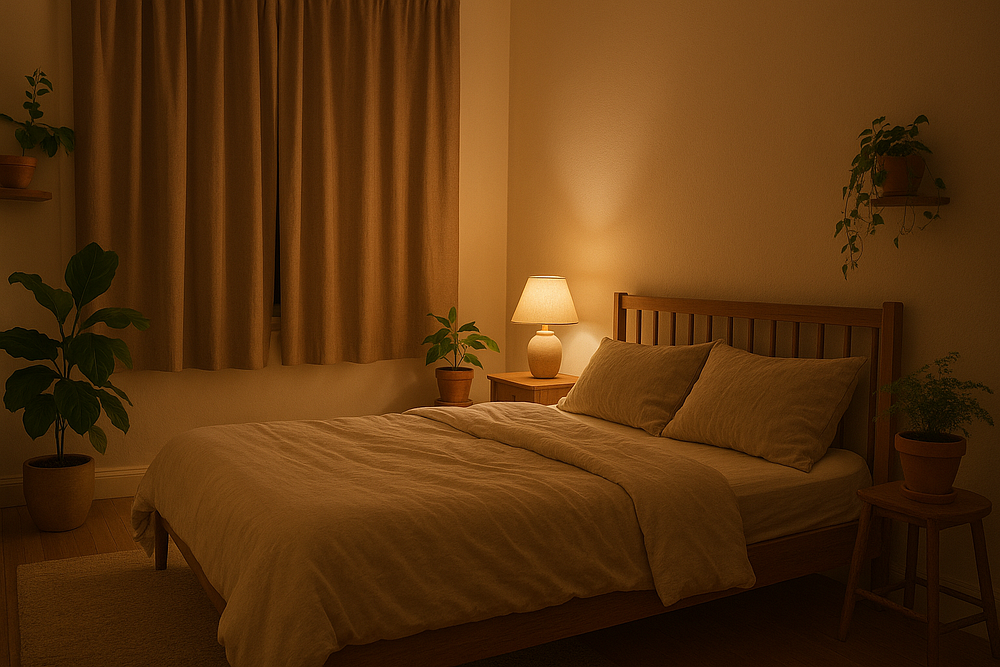
Strategy: Maintain bedroom temperature between 60–68°F (15–20°C), minimize noise, and ensure complete darkness.
Implementation: Use blackout curtains, white noise machines, and programmable thermostats. Invest in comfortable, supportive bedding.
Expected Timeline: Environmental changes often produce immediate improvements in sleep comfort.
Pitfall to Avoid: Overlooking seemingly minor disruptions that can fragment sleep throughout the night.
Pre-Sleep Routine Development

Strategy: Establish a consistent 30–60 minute wind-down routine with relaxing activities.
Implementation: Choose 2–3 calming activities (reading, gentle stretching, meditation, warm bath) and perform them in the same order nightly.
Expected Timeline: Routine establishment typically requires 2–3 weeks of consistency to become automatic.
Pitfall to Avoid: Making the routine too complex or lengthy, leading to inconsistent implementation.
When to Seek Professional Help
Consider consulting a healthcare provider if:
- Sleep problems persist despite consistent implementation of sleep hygiene practices
- You experience chronic insomnia (difficulty sleeping 3+ nights per week for over 3 months)
- Loud snoring, gasping, or breathing interruptions during sleep occur
- Excessive daytime sleepiness interferes with daily activities
- You suspect underlying sleep disorders like sleep apnea or restless leg syndrome
Professional Treatment Options:
- Cognitive Behavioral Therapy for Insomnia (CBT-I): 70–80% of patients experience significant improvements
- Sleep studies (polysomnography): Diagnose sleep apnea, periodic limb movements, and other sleep disorders
- Medical evaluation: Rule out hormonal, neurological, or other health conditions affecting sleep
- Medication management: When appropriate, in conjunction with behavioral interventions
Conclusion and Call to Action
Six months later, Saman’s life looked dramatically different. The same woman who once stared at her clock in frustration now fell asleep within 20 minutes of her head hitting the pillow. By implementing a consistent sleep schedule, creating a technology-free bedroom sanctuary, and addressing her evening anxiety through journaling, she had reclaimed not just her nights, but her entire quality of life. Her work performance soared, her relationships deepened, and the chronic fatigue that had shadowed her days became a distant memory. Saman’s transformation wasn’t magic — it was the result of applying evidence-based sleep strategies with consistency and patience.
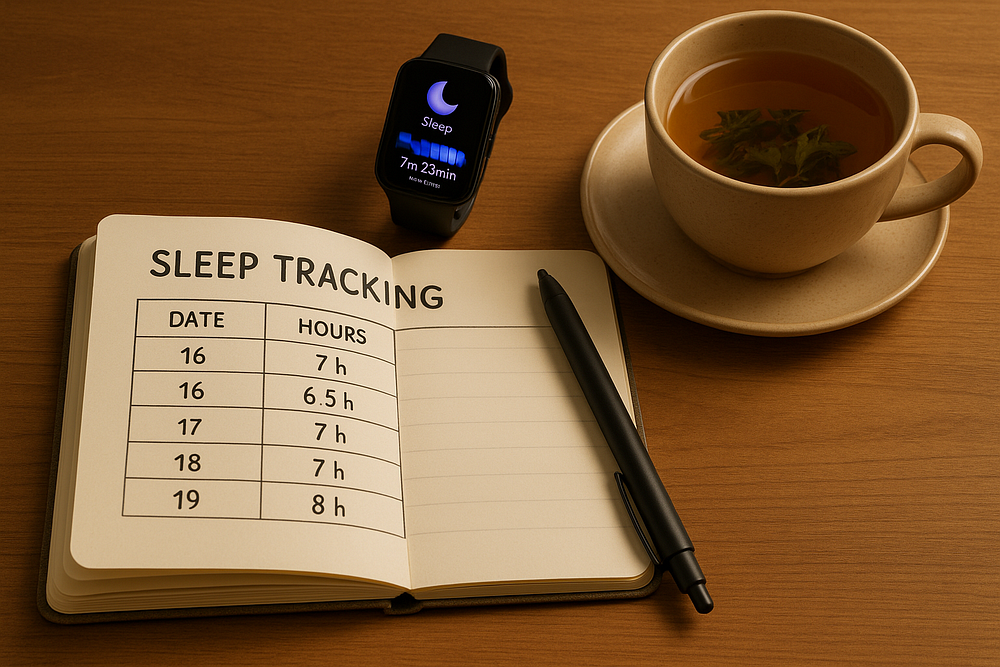
Your journey to better sleep starts with a single decision to prioritize this fundamental aspect of your health. Whether you’re dealing with occasional sleepless nights or chronic insomnia, the strategies outlined in this guide have helped millions of people transform their sleep and, consequently, their lives. Consider starting a sleep diary to track your current patterns, implement one or two strategies from this guide, and be patient with yourself as your body adjusts to healthier sleep habits. If sleep problems persist despite your best efforts, don’t hesitate to consult with a healthcare provider or sleep specialist — quality sleep is not a luxury, it’s your right, and professional help is available when you need it.
Good information 👍
ReplyDelete👍
ReplyDelete